Most people searching for a personal trainer in Omaha know what they want in broad terms — someone who knows what they're doing, who they can trust, who will actually pay attention. The harder question is how to tell the difference before you've started.
Here are five things worth looking at closely.
1. How many people does one trainer work with at a time?
This is the single most diagnostic question you can ask. The answer determines whether you'll be supervised or managed — and that distinction determines results.
A trainer working with eight, ten, or fifteen people at once is running a floor, not coaching. They can demo an exercise, correct a form error when they spot it, and keep the energy up. What they can't do is watch every rep of every set for every person in the room. At that ratio, the supervision that actually prevents injury and builds the right adaptations simply isn't possible.
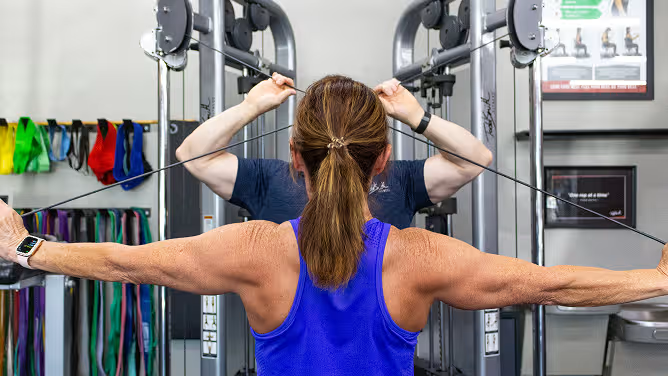
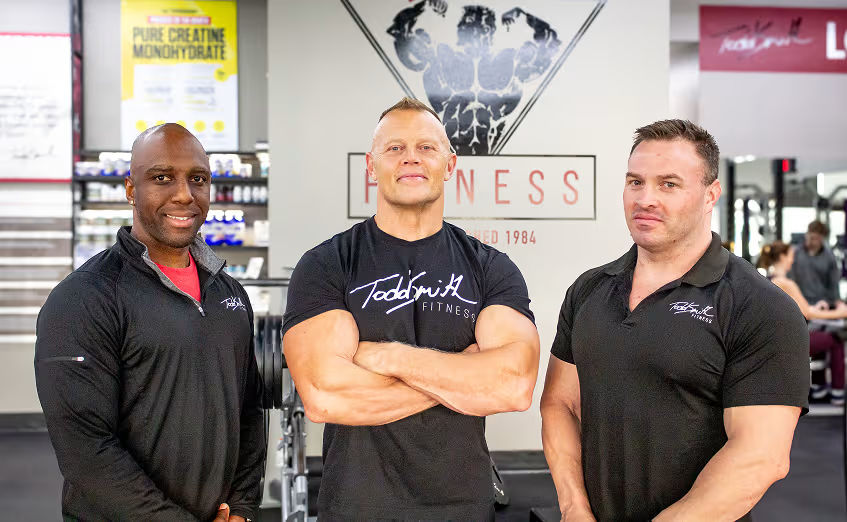
The trainers at Todd Smith Fitness in Omaha work with a maximum of four people at a time — often one or two. That cap exists because it's the ratio at which a coach can actually see what's happening and intervene in real time. Not after the fact. During the rep.
2. Does the trainer have a methodology — or just a program?
There's a difference between a trainer who runs you through workouts and one who works from a system. A program tells you what to do each session. A methodology is a framework for how decisions get made: what exercises are right for which bodies, how progression works, when to modify, what the goal of each rep actually is.
At TSF, the methodology has been refined over 42 years of working with adults — not college athletes, not competitive lifters, but people with demanding schedules, joint history, and bodies that need to function well for decades. That history matters because edge cases aren't edge cases here. They're the norm.
Ask any trainer you're evaluating: what happens when a client has a bad shoulder? What happens when someone hasn't trained in ten years? What happens when two people in the same session are at completely different levels? The answers reveal whether they have a methodology or just routines.
3. Does the trainer work with people like you?
Specialization matters. A trainer who primarily works with post-rehab athletes, competitive powerlifters, or twenty-year-olds training for aesthetics is not the same as a trainer who primarily works with adults over 40 managing wear-and-tear, real schedules, and long-term health goals.
The exercises are different. The load selection is different. The supervision focus is different. And the judgment calls — which movements are worth the joint cost for this specific body, how hard to push on a given day, what "enough" looks like — are informed by experience with the population, not just with training generally.
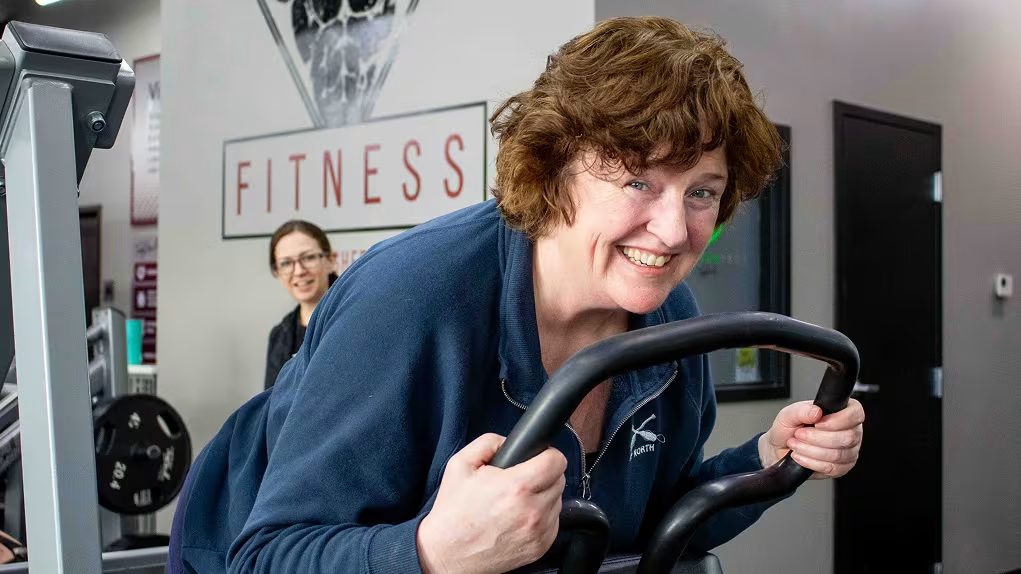
TSF works almost exclusively with adults 40 and older. If that's you, the difference in day-to-day judgment is significant — and the training variables specific to this stage are different enough to matter.
4. What is the actual session experience?
Before you commit, ask what a session looks like from start to finish. Not what the trainer says they do — what actually happens in the room.
Does someone greet you when you walk in, or do you sign in on an iPad? Does the coach know what you worked on last time and how it went, or is each session starting from scratch? Is the warm-up coached, or do you figure it out yourself while the trainer looks at their phone?
The difference between training that produces results and training that produces joint wear usually lives in these details — the ones that are invisible on paper but obvious after one session.
5. What is their track record with adults who have your history?
Tenure and volume are both worth asking about. A trainer who has worked with adults over 40 for twenty years has seen things that someone five years in hasn't. They've seen what happens when you push too hard on a hip that's been managed. They've seen how long it actually takes to build strength after a long break. They've developed the judgment that only comes from years of outcomes.
Ask directly: how long have you been doing this, and can I talk to someone who's trained with you for a year or more?
If cost is part of your evaluation, here's how to think about what personal training is actually worth — and what you're really paying for.
If you're in Omaha and want to understand what this looks like in practice — the supervision, the methodology, the experience — the right next step is a conversation. The discovery call is free. It starts with where you are and what you need, not with a sales pitch.