Here's something I've seen more times than I can count. Two friends about the same age join the studio together. One says, "I want to lose weight." The other says, "I just want to live better."
They seem to be chasing completely different things. But a few weeks in, their programs look almost identical: same habits, same focus, same results showing up in different ways.
That's because nearly everyone who walks in the door is missing the same thing in how they picture their goal: muscle.
Why: muscle is your engine
When someone comes in focused on weight loss, one of the first things we do is test their body composition. Very often the result surprises them: they carry relatively little lean mass.
What does that mean? Your muscle is your engine. A small engine doesn't need much fuel, so your resting metabolism stays low. That's when people get stuck in the loop of "I'll do this exercise, then that exercise" while the scale barely moves. The problem isn't effort. The engine just isn't big enough yet.
Build the engine, and a lot of things start taking care of themselves.
Muscle is a storage tank for carbohydrates. When you eat, your blood sugar rises. Your muscles are one of the main places that sugar goes to be stored and used. More muscle — and working that muscle regularly — means more room to store carbohydrates and steadier blood sugar. Steadier blood sugar tends to come with a healthier cholesterol picture too.
Cholesterol isn't the villain. Most people think of cholesterol as purely bad. The truth is your body needs it: no cholesterol, no life. Healthy levels vary from person to person and depend on genetics, and there are a lot of opinions out there — always talk with your doctor about your own numbers. But in general, the better your body handles blood sugar, the better your lipid profile tends to look.
Muscle works 24 hours a day. People think, "I want to lean out, so I should do more cardio." Cardio burns fuel while you're doing it. Muscle needs fuel around the clock, even at rest and even while you sleep. The difference may look small on any given hour, but it adds up every hour of every day. And every muscle contraction helps move fluid through your lymphatic system — your body's cleanup network, which has no pump of its own.
The sink analogy
This is how I explain it to clients.
Picture a bathroom sink. The basin is your blood vessel. Coat the inside with a layer of dish soap: that's your cholesterol. Now plug the drain.
Every time you eat, you pour water into the sink. Your blood sugar rises. Eat a pizza and a carton of ice cream, and the sink is overflowing.
So how does the water get out? Only a few ways: exercise, sleep, and time between meals.
Now add stress, poor sleep, very little activity, and a rough diet. The sink keeps filling, and the outlets get smaller. That cascade is how metabolic stress builds over time. Eventually you go to the doctor and hear, "Your cholesterol is out of control" — often without anyone looking at it alongside what your blood sugar has been doing.
Muscle is what makes the drain bigger.
How: build the engine
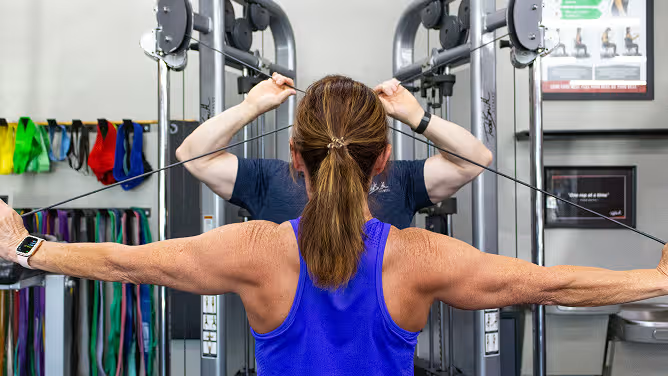
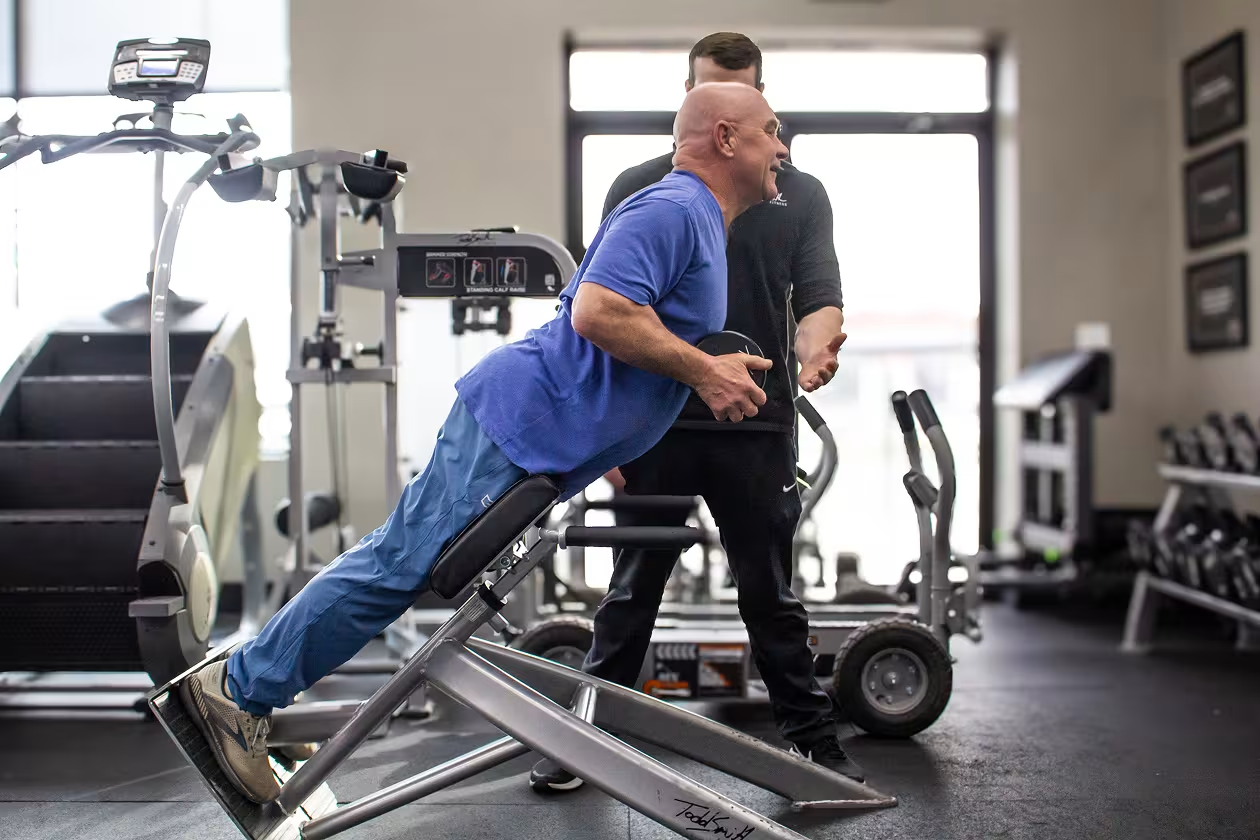
Lift with a purpose. Focus on building muscle, not just burning calories. Controlled reps, feeling the muscle you're working, progressively asking it to do a little more. This is what three hours a week of coached strength training actually delivers — not exhaustion, but adaptation.
Eat to build. Protein at every meal, starting with breakfast. Your muscles need the raw material to grow. This is where most people are chronically under-fueled without realizing it.
Walk after you train and after big meals. It gives the water in the sink somewhere to go.
Protect your sleep. Sleep is one of your main drains, and it's when your body recovers and rebuilds. This is the most underestimated variable in building muscle after 40.
What: what changes
Remember the two friends?
The one who wanted to lose weight starts noticing their body changing shape. Clothes fit differently. Their energy holds steady through the day instead of crashing.
The one who wanted to live better finds that everyday life gets easier. Stairs, carrying groceries, getting up off the floor with the kids or grandkids. Often their blood work starts moving in the right direction too.
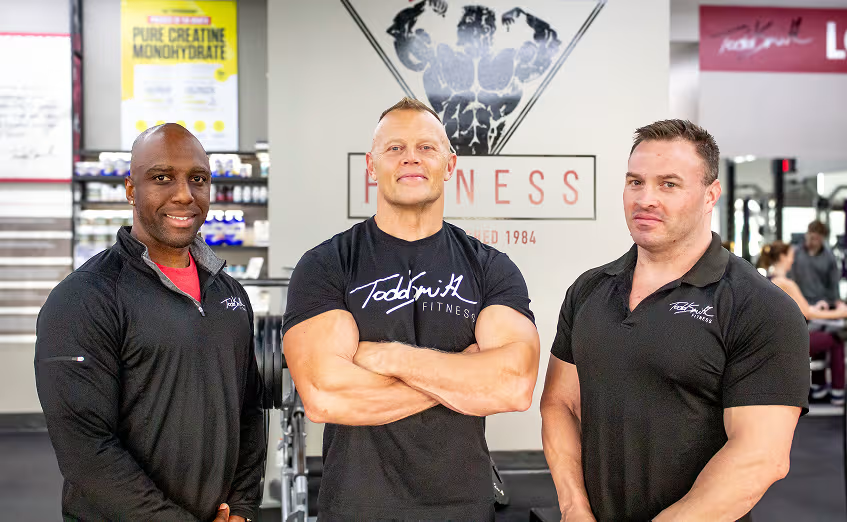
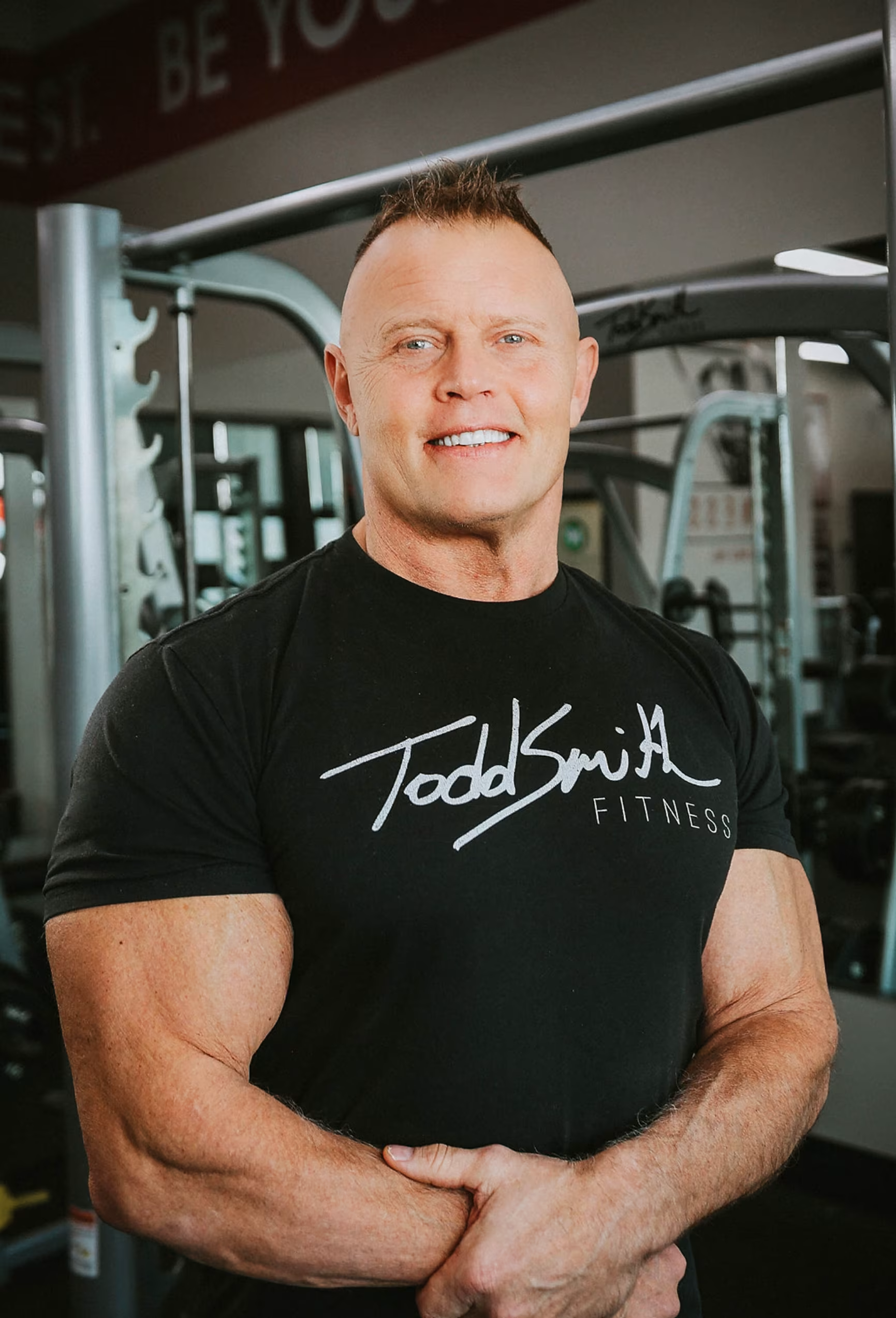
Different goals, same answer. When we stop chasing the scale and start building the engine, the rest tends to follow. It's why at Todd Smith Fitness in Omaha, we don't start with what you want to lose — we start with what you need to build.
See you in the studio.