Most people talk about discipline like it's something you're born with. Either you have it or you don't — and if you don't, you just have to grit your teeth harder.
After 30 years of lifting and 24 years of coaching, I don't buy it. The clearest explanation I've heard comes from Chase Hughes, a behavior expert and military veteran who's spent years studying why people do what they do. His take strips the drama out of how to build discipline — and it's exactly what most of us need heading into the holidays.
Discipline is just taking care of your future self
Hughes defines discipline as putting what your future self needs ahead of what your present self wants.
That one shift changes the question entirely. It's no longer "Do I feel like it?" It's "What will the me of next month need from me today?"
Breakfast, a workout, a walk after dinner — none of it pays off today. Each one is a favor to the version of you who walks into February stronger than when you started, instead of beginning again.
And here's the part worth sitting with: Hughes points out that when you can look back and feel grateful for what your past self did, discipline stops feeling like sacrifice. You're no longer giving something up. You're receiving something.
Build habits, not goals
Our lives run on habits, not goals — and habits do the heavy lifting. So the question isn't "what's my goal?" It's "which habit would make that goal happen as a byproduct?" A goal tells you where you want to end up. Habits are what actually carry you there.
The good news: you only need a little to start. As Hughes puts it, about "a teaspoon" of discipline at the very beginning. Once a habit is in place, it runs on far less willpower. The hard part is the first couple of weeks — not forever.
Then, be a butler for your future self. Set things up ahead of time so the right choice is the easy one. When the decision's already made, you don't have to win an argument with yourself in the moment. This is exactly why planning for failure works better than planning for perfection — you're not relying on willpower in the moment; you've already removed the decision.
Small choices build the muscle. Discipline gets stronger the way any muscle does — through small, deliberate reps. The walk when you'd rather sit. The breakfast when you're rushing out the door. Each one makes the next one easier.
How this plays out at TSF
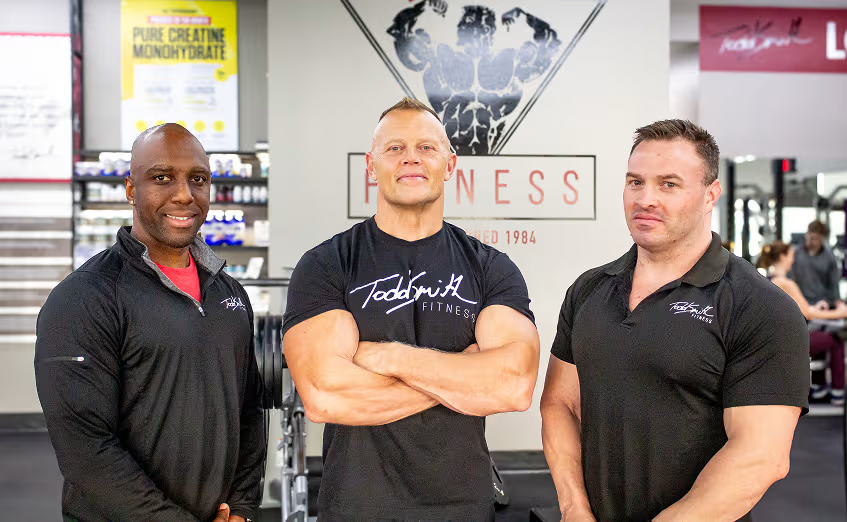
What I see at Todd Smith Fitness in Omaha isn't a room full of people with extraordinary willpower. It's a room full of people who've made the right choice the easy choice.
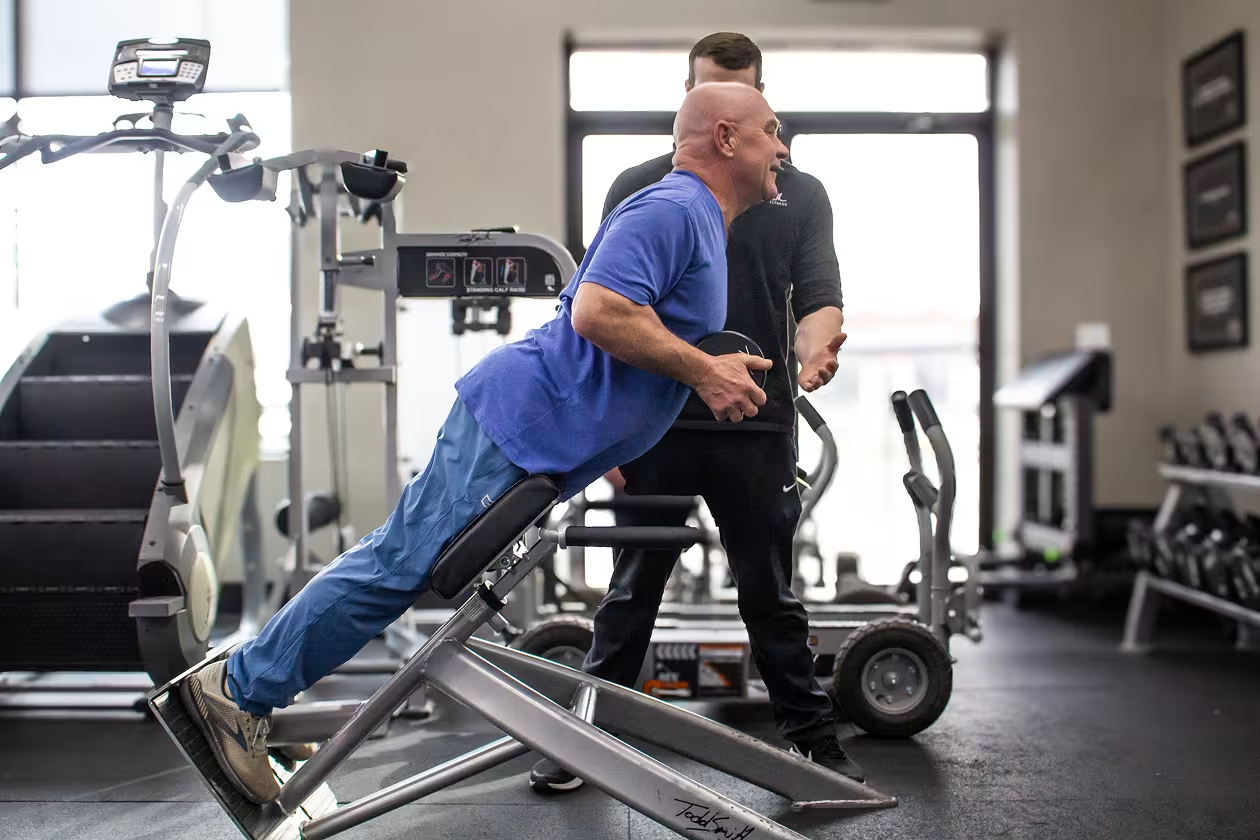
The session is on the calendar. The coaching is consistent. The environment does most of the work that willpower never could — because a habit that runs in a well-built structure doesn't depend on how you feel that morning.
Your fitness plan is personal in this sense too: the habits that stick are the ones built for your schedule, your life, and your history — not the ones you borrowed from someone else's routine.
Put it to work this week
Pick one habit your future self needs. Just one — breakfast, a walk after training, a protein shake each day. Start where it's easy.
Set it up the night before. Lay out breakfast. Pack the shaker. Put the session on the calendar. Make it easy for tomorrow's you.
Look back on Sunday. Write down what you did, and give your past self some credit. That feeling is what keeps the habit going.
The bottom line
Discipline isn't a personality trait. It's a string of small favors you do for the person you'll be next week, next month, next year.
Start with a teaspoon. Set yourself up. Look back with gratitude. Then do it again.
See you in the studio.