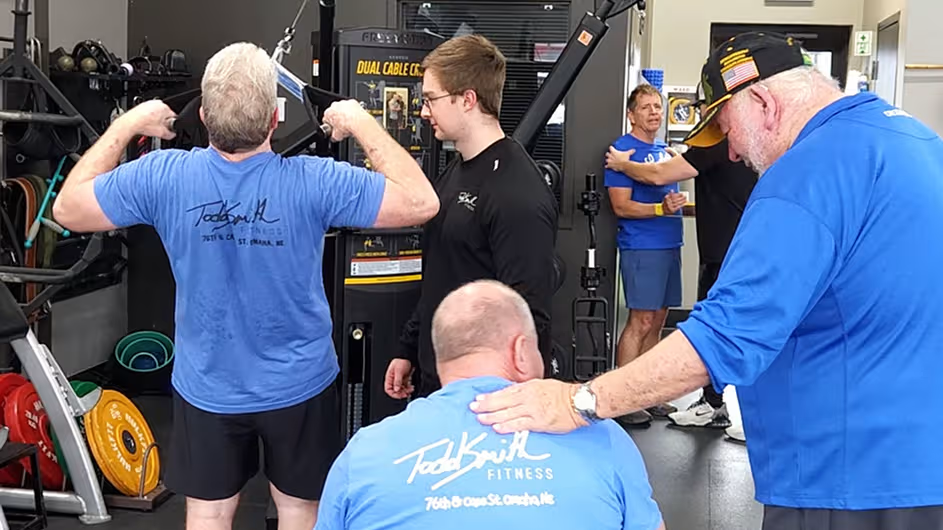
Circuit training has long been a popular choice for those seeking quick, high-intensity workouts. While it’s excellent for cardiovascular fitness and endurance, it often comes at the expense of maximal strength and muscle growth. Micro-group strength training, on the other hand, prioritizes strategic recovery, ensuring that participants can lift heavier, perform better, and achieve more sustainable results. Understanding the science behind recovery explains why micro-groups outperform circuit-style workouts for strength development.
Why Recovery Drives Strength
Muscle growth and strength gains don’t happen during exercise, they happen during recovery. Here’s why rest matters:
1. Muscles Adapt During Rest
Strength training creates micro-tears in muscle fibers. These fibers repair, adapt, and grow stronger during periods of rest, which is critical for long-term hypertrophy.
2. Prevents Fatigue and Overtraining
Continuous, nonstop movement - as in traditional circuit training - can lead to premature fatigue. Fatigued muscles compromise form, reduce lift quality, and increase the risk of injury.
3. Supports Heavier Lifts and Quality Reps
Adequate rest allows participants to maintain proper technique and lift heavier weights, maximizing the effectiveness of each set and promoting faster strength gains.
Without structured recovery, workouts may feel intense but fail to produce meaningful strength or muscle growth results.
How Micro-Groups Structure Workouts
Micro-group training leverages recovery strategically to optimize performance:
- Rotational Approach: Participants cycle between working sets and rest periods, keeping energy high while allowing muscles to recover. That rotation works precisely because of group size — here's why we cap ours at 4.
- Customized Rest Intervals: Trainers adjust rest times depending on goals—longer for maximal strength, moderate for hypertrophy, and shorter for muscular endurance.
- Controlled Progressive Overload: Unlike circuit training, micro-groups emphasize gradual increases in resistance and complexity rather than nonstop movement, ensuring consistent strength gains over time.
This approach creates the perfect balance between effort and recovery, allowing participants to train harder, lift more efficiently, and build muscle safely.
Conclusion
While circuit training has its benefits for endurance and cardiovascular fitness, it often limits the potential for strength and muscle growth due to insufficient recovery. Micro-group strength training prioritizes structured rest, individualized coaching, and progressive overload, ensuring that every rep counts. By understanding the role of recovery and integrating it into small-group sessions, participants can achieve greater strength, enhanced performance, and faster, safer results.